Know the Truth
Wind Damage
to Your Roof
Wind damage is one of the most common — and most misrepresented — types of roof damage. Here's what it actually looks like, and how to make sure you're getting an honest assessment.
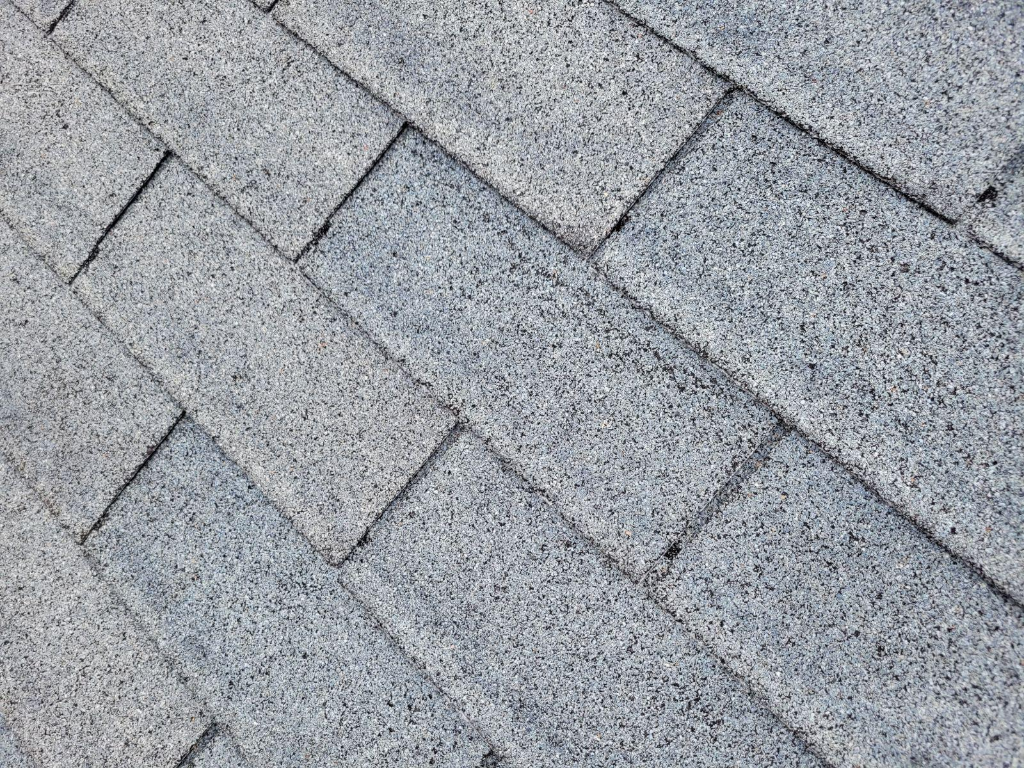
A creased shingle documented on a roof in Wake Forest, NC. The wind lifted the tab far enough to break the seal strip and fold the shingle — leaving a permanent crease that compromises the waterproof barrier.
What Real Wind Damage Looks Like
Wind damage happens when gusts get under a shingle tab and lift it beyond the breaking point of the factory seal. A creased shingle like the one above is a textbook example — the fold is permanent, the seal is broken, and water can now infiltrate the roof deck underneath. Left unaddressed, a single crease can lead to rot, mold, and interior leaks.
- Creased or folded shingles — wind lifts the tab, breaks the seal, and leaves a permanent crease
- Missing shingles or bare patches where shingles have blown completely off
- Lifted shingle edges that no longer lie flat against the roof deck
- Broken or missing ridge cap shingles along the peak
- Damaged or detached flashing around chimneys, vents, or skylights
- Debris impact damage — tree limbs, branches, or other objects striking the surface
The Other Side
What Is NOT Wind Damage
After any storm with strong winds, some contractors will walk a roof and call everything they see "wind damage." Knowing what doesn't qualify protects you from inflated claims and potential insurance fraud.
- Granule loss from normal aging being called wind damage
- Shingles that appear slightly raised due to thermal expansion on a hot day
- Minor surface scuffs with no seal-line separation or creasing
- Old repairs or patches from prior work that predate the storm
Why It Matters
A Crease Is More Than Cosmetic
Many homeowners see a creased shingle and think it's just an aesthetic issue. It's not. When wind folds a shingle back, it breaks the seal strip — the adhesive bond that holds the tab down and keeps water from getting underneath. Once that seal is gone, the shingle can lift again in the next storm, and water can infiltrate the roof deck with every rain.
Insurance companies recognize creased shingles as legitimate wind damage because the structural integrity of the roofing system has been compromised. A proper inspection documents each crease, its location, and whether the seal is fully broken — not just a photo of a bent tab.
Get an Honest Inspection
NC Farmer Roofing documents real wind damage with photos, measurements, and seal-line verification. We'll tell you exactly what's damaged, what's not, and what your insurance should cover.
Schedule a Free Inspection